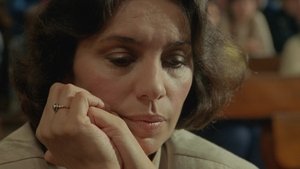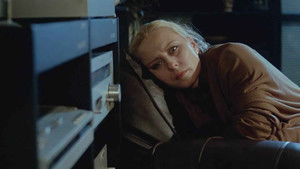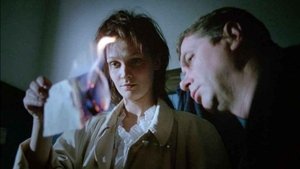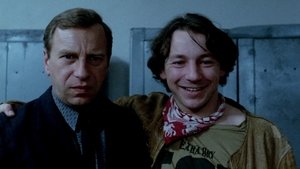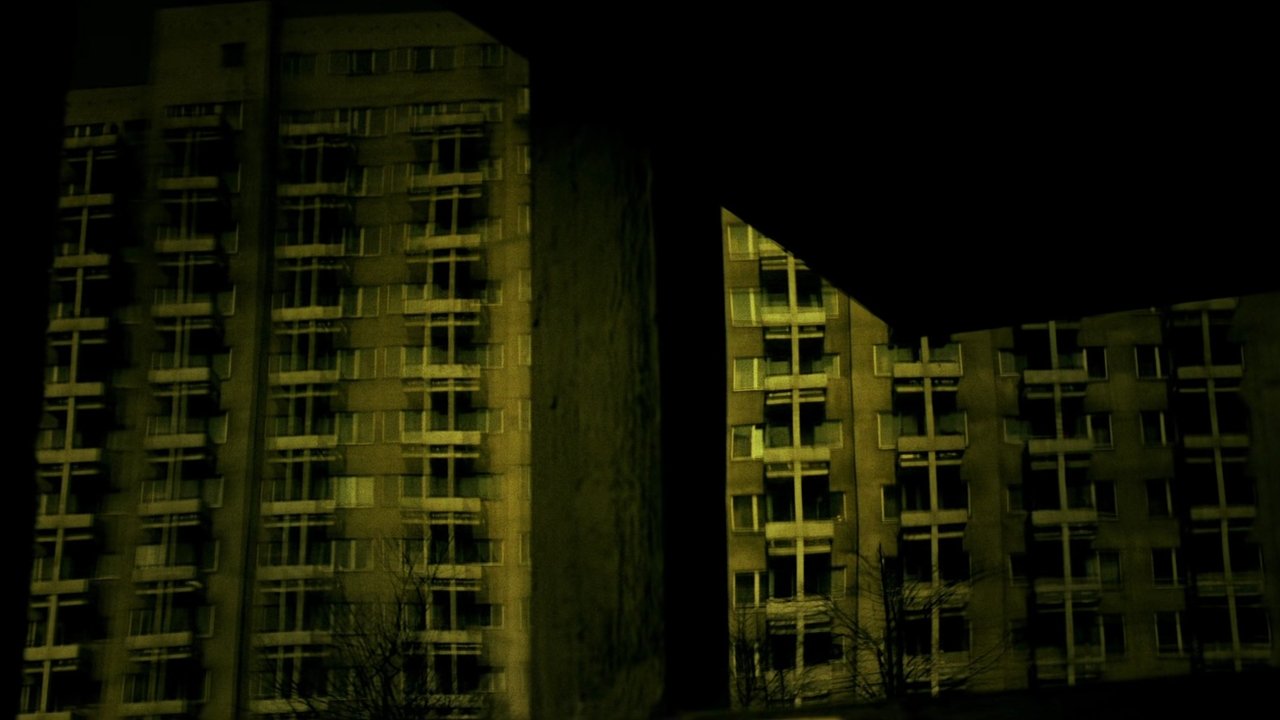
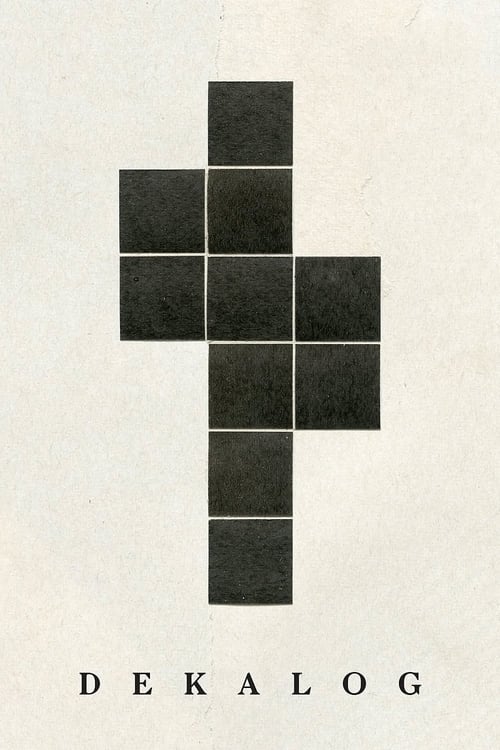

Dekalog (pronounced [dɛˈkalɔk]) is a 1989 Polish drama television miniseries directed by Krzysztof Kieślowski and co-written by Kieślowski with Krzysztof Piesiewicz, with music by Zbigniew Preisner. It consists of ten one-hour films, inspired by the decalogue of the Ten Commandments for thematic inspiration and an overarching structure, grapple deftly with complex moral and existential questions concerning life, death, love, hate, truth, and the passage of time. Each installment explores characters facing one or several moral or ethical dilemmas as they reside in an austere housing project in 1980s Poland, whose lives become subtly intertwined as they face emotional dilemmas that are at once deeply personal and universally human.

Dekalog (pronounced [dɛˈkalɔk]) is a 1989 Polish drama television miniseries directed by Krzysztof Kieślowski and co-written by Kieślowski with Krzysztof Piesiewicz, with music by Zbigniew Preisner. It consists of ten one-hour films, inspired by the decalogue of the Ten Commandments for thematic inspiration and an overarching structure, grapple deftly with complex moral and existential questions concerning life, death, love, hate, truth, and the passage of time. Each installment explores characters facing one or several moral or ethical dilemmas as they reside in an austere housing project in 1980s Poland, whose lives become subtly intertwined as they face emotional dilemmas that are at once deeply personal and universally human.
8.1
Avg Rating
10
Rated Episodes
9.0
Best: S1E1
6.8
Worst: S1E3
Dekalog: One
S1 E1
Dekalog: Six
S1 E6
Dekalog: Five
S1 E5
Dekalog: Three
S1 E3
Dekalog: Eight
S1 E8
Dekalog: Two
S1 E2
No reviews yet
Sign in to write the first review
Inspired by the decalogue of the Ten Commandments for thematic inspiration and an overarching structure, grapple deftly with complex moral and existential questions concerning life, death, love, hate, truth, and the passage of time, each installment explores characters facing one or several moral or ethical dilemmas as they reside in an austere housing project in 1980s Poland, whose lives become subtly intertwined as they face emotional dilemmas that are at once deeply personal and universally human.
“I am the Lord thy God; thou shalt have no other God but me.” Ten-year-old Pawel and his father Krzysztof run their lives on their beloved home computer, while Pawel’s aunt worries that his spiritual …
“Thou shalt not take the name of the Lord thy God in vain.” An elderly doctor is approached by a woman with a complicated request. Her husband is gravely ill and may die, and she is pregnant by someon…
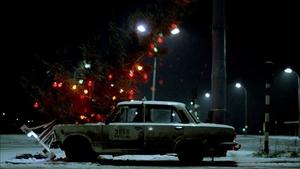
“Remember the sabbath day, to keep it holy.” Janusz is a taxi driver. It’s Christmas Eve, and he honours the (Polish) traditions for this (holy) day: he gives presents to the members of his family and…
“Honour thy father and thy mother.” Young Anka and her father have lived together since her mother’s death, and have always been more like close friends than father and daughter. One day, Anka discove…
“Thou shalt not kill.” A shorter, slightly less graphic version of “A Short Film About Killing,” but the plot is essentially the same: murder followed by execution, two killings, one illegal, one lega…
“Thou shalt not commit adultery.” A shorter, scaled-down version of “A Short Film About Love,” with a less complex plot and a different ending—though the basic narrative about the relationship between…
“Thou shalt not steal.” But in this case the “theft” is of a child by her real mother, who then finds herself emotionally unable to cope with the responsibility, while the stable and loving family tha…
“Thou shalt not bear false witness against thy neighbour.” A Polish-American researcher visits Warsaw and attends a lecture about ethics. Afterwards, she approaches Zofia, the lecturer, and says that …
“Thou shalt not covet thy neighbour’s wife.” Roman, after discovering his impotence, urges his wife Hanka to take a lover. She reluctantly complies, and Roman, despite his earlier words, becomes obses…
“Thou shalt not covet thy neighbour’s goods.” Especially not when it leads to the conclusion of this black comedy about two brothers who inherit their father’s valuable stamp collection and end up pay…